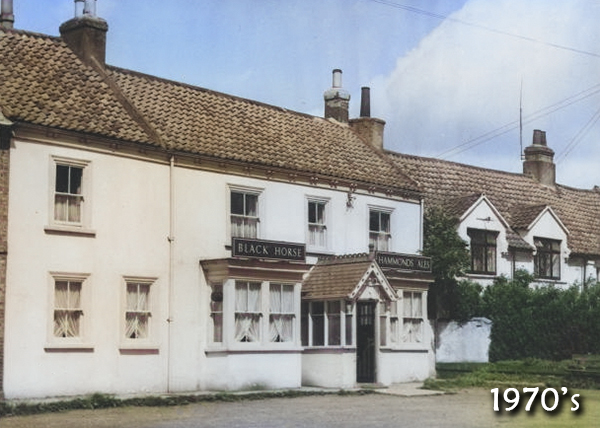
Wigginton
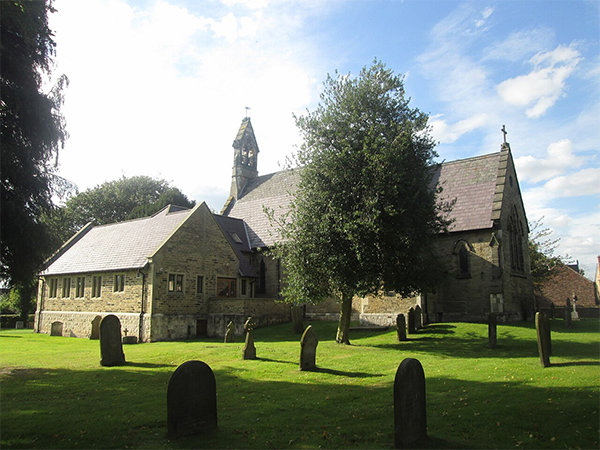 Wigginton is a village and civil parish in the unitary authority of the City of York in North Yorkshire. It has a population of just under 4,000.
The village was historically part of the North Riding of Yorkshire until 1974. It was then a part of the district of Ryedale in North Yorkshire from 1974 until 1996. Since 1996 it has been part of the City of York unitary authority.
Wigginton is bordered on the east by the town of Haxby, the York Outer ring Road to the south, the B1363 to the west and open farmland to the north.
The village name derives from the Old English pre-7th century personal name "Wicga", meaning "a beetle", plus the Old English suffix, "-tun", meaning a "settlement or enclosure, hence "Wigca's settlement".
The village was named in the Domesday Book and noted as belonging to the cathedral church of St Peter in York.
The name of the village has been recorded as Wichestun in the 11th century and Wygynton in the 13th century. The first recorded owners of the manor were the Askebys, who may have been connected with the neighbouring village of Haxby, and of Roger de Haxbey, who owned nearby land during the reign of Edward I.
Hugh de Moresby, Lord of Moresby in Cumberland, was in possession of the manor of Wigginton in 1337. Through inheritance and marriage the manor passed to Anne Pickering and her second husband, Sir Henry Knyvett. She sold the manor with others in 1541 to Henry VIII, but his heir, Edward VI, granted them back to Anne and Henry in 1548.
The village lies within the Haxby and Wigginton Ward of the unitary authority of the City of York Council. Haxby and Wigginton Ward is represented by three City of York Council Members, and these three Members constitute the local Ward Committee; which has a small budget for local highways improvements and grants for local organisations. Elections to the City Council are held every four years.